Christmas Cookies Inflated Tumbler Wrap: Graphics & Print Templates Review
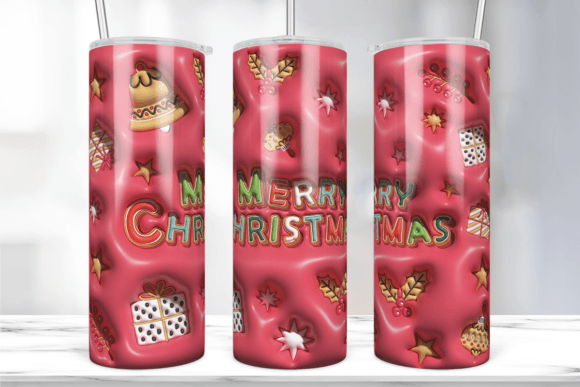
When I first pulled up the preview for the Christmas Cookies Inflated Tumbler Wrap, my immediate reaction was one of cautious optimism. As a designer who frequently navigates the tightrope between client expectations and aesthetic integrity, I look for assets that offer more than just a generic holiday vibe. This specific design asset presents itself as a 3D Christmas Cookies Inflated Tumbler Wrap, promising a tactile, volumetric feel that stands out in a crowded digital marketplace. It is categorized under Print Templates and Graphics, which suggests it is intended for direct application rather than abstract inspiration. But does it hold up under professional scrutiny? In this review, I will break down how this asset performs in real-world client scenarios, from boutique packaging to social media campaigns.
The First Impression: Mood and Visual Weight
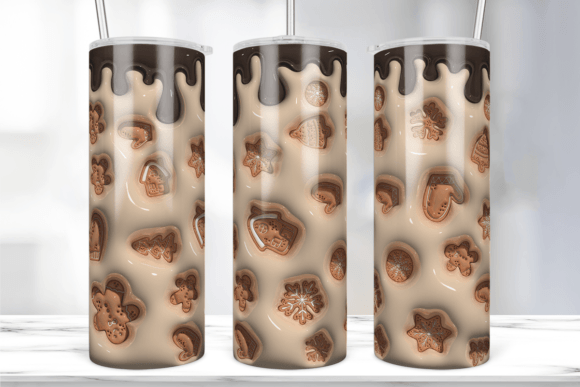
The visual language of this asset is distinct. It leans heavily into the "inflated" aesthetic, mimicking the look of puffy, 3D vinyl or raised embroidery often seen on high-end winter apparel. For a client project, this immediately signals warmth, comfort, and nostalgia. It is not a minimalist Scandinavian Christmas; it is a cozy, traditional, slightly playful holiday experience. The inclusion of cookies adds a layer of domestic charm that resonates well with handmade businesses and small business branding focused on lifestyle products.
However, the term "inflated" also implies visual weight. When applied to a Christmas Tumbler, particularly a standard 20oz size, this graphic needs to be balanced carefully. If the surrounding layout is too busy, the wrap can become visually loud, competing with typography or other brand elements. My initial assessment is that this asset works best when it is allowed to breathe. It thrives in contexts where the product itself is the hero, such as a clean product mockup or a dedicated landing page section. It creates an emotional appeal that is instantly recognizable, leveraging the universal association of sugar cookies with holiday traditions.
Real-World Application: Where It Shines
In my recent workflow, I have been advising several clients on their Q4 marketing visuals. For a local bakery launching a holiday gift box, or a craft seller on Etsy preparing for peak season, the Christmas Png format of this asset offers significant utility. Here is where I see this design bundle adding tangible value:
- Packaging Design: The inflated texture translates surprisingly well to physical print if the resolution is sufficient. For a sticker design or a label on a jar of cookie mix, this graphic provides a premium feel without the cost of custom illustration.
- Social Media Graphics: For Instagram posts and Pinterest pins, the 3D effect catches the eye in a scroll-heavy feed. It serves as an excellent focal point for marketing visuals promoting limited-edition holiday items.
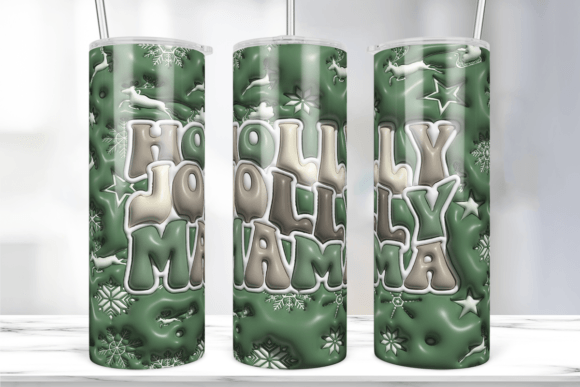
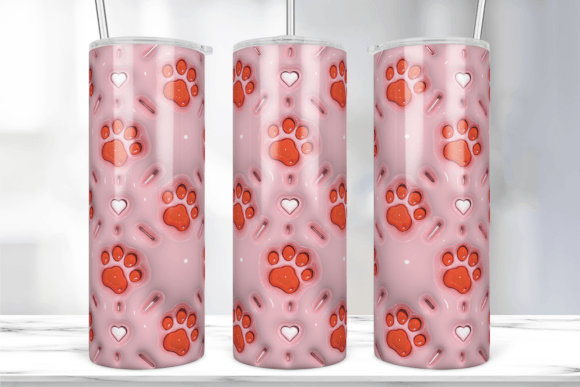
- Product Mockups: When placed on a tumbler mockup, the wrap looks cohesive. The curvature of the cup interacts with the "inflated" shadows and highlights of the graphic, creating a believable integration. This is crucial for print-on-demand sellers who need to showcase realistic previews to potential buyers.
- Craft Projects: For Cricut users and those working on DIY Cricut projects, this design offers a ready-made solution. The clarity of the shapes ensures that even when cut from cardstock or vinyl, the details remain sharp.
The asset also fits naturally into broader brand identity systems for seasonal campaigns. If a brand uses warm reds, creams, and greens, this graphic acts as a unifying element across different touchpoints, from email headers to website banners. It bridges the gap between web design and physical merchandise, ensuring consistency in editorial design and online storefronts.
Strategic Placement and Layout Considerations
Not every design situation calls for a bold, textured graphic like the Christmas Cookies Inflated Tumbler Wrap. There are specific scenarios where this asset requires careful handling to maintain visual hierarchy.
Avoid using this graphic in small sizes or crowded layouts. Because it relies on shading and depth to convey its "inflated" nature, shrinking it down to a favicon or a tiny icon will result in muddy details that lose their impact. Similarly, placing it over complex backgrounds or low-contrast designs can cause the edges to blend in, reducing legibility. In minimalist branding contexts, this asset might feel too ornate. If a client’s brand voice is sleek, corporate, or strictly modern, this whimsical, cozy graphic may clash with their established tone.
Instead, position this asset as a supporting brand element or a decorative accent. Use it to break up white space on a flyer or to add personality to a blog post header. It works exceptionally well in large layout areas where its texture can be appreciated. For example, in a t-shirt design or a tote bag graphic, the wrap can serve as the central illustration, provided the typography around it is simple and clean. A sans-serif font would likely provide the necessary contrast to keep the overall composition balanced, whereas a overly decorative script font might compete for attention.
Technical Due Diligence for Professional Use
Before integrating any digital product into a commercial project, a designer must perform rigorous checks. Here are the critical steps I recommend before finalizing the use of this asset:
- Format Inspection: Verify if the download includes both PNG and SVG files. The PNG design is ideal for quick placement in tools like Canva or Photoshop, especially if transparency is preserved. However, an SVG design allows for scalability and color customization, which is vital if you need to match the graphic exactly to a client’s specific brand palette.
- Contrast Testing: Preview the graphic on both light and dark backgrounds. The "inflated" effect relies on shadows and highlights; ensure these do not disappear against similar-toned backgrounds. Test it in black and white to check the structural integrity of the shapes.
- Resolution and Print Quality: If this is intended for sublimation design or physical printing, ensure the DPI is high enough (typically 300 DPI) to prevent pixelation. Zoom in to inspect the edges of the cookies and the texturing details.
- Licensing Confirmation: Always review the commercial license. Some marketplaces restrict the number of physical items you can produce with a single digital purchase. Ensure you are compliant before selling finished goods like tumblers or stickers.
- Font Pairing: Experiment with different typefaces. Try pairing the graphic with a handwritten font for a personal, artisanal feel, or a sturdy display font for a bolder statement. Avoid serif fonts unless they are highly stylized, as they may date the design unnecessarily.
Final Verdict for Designers
The Christmas Cookies Inflated Tumbler Wrap is a strong contender for designers looking to add festive flair to their projects without starting from scratch. It captures the essence of holiday cheer with a modern, textured twist. Its versatility makes it suitable for a wide range of applications, from Etsy products to digital ads. However, success lies in execution. By respecting its visual weight, testing its technical specifications, and placing it strategically within the layout, you can transform this asset into a polished, professional result that delights clients and engages audiences alike.
For anyone dealing with seasonal rushes, this creative design asset saves time while delivering a high-quality aesthetic. Just remember to treat it with the same care you would a custom illustration: test it, refine it, and ensure it aligns perfectly with your overall creative vision.