3d Christmas Candy Dome Bear Review
As a designer who spends more time judging stitch density and fabric behavior than I do drinking coffee, I approach every new digital download with a healthy dose of skepticism. The market is flooded with generic holiday motifs, so finding something that balances charm with technical viability is rare. Recently, I evaluated the 3d Christmas Candy Dome Bear, a design marketed as part of a versatile graphics package. My goal was simple: determine if this file holds up under real-world embroidery conditions or if it’s just another pretty picture that falls apart in the hoop.
First Impressions and Visual Personality
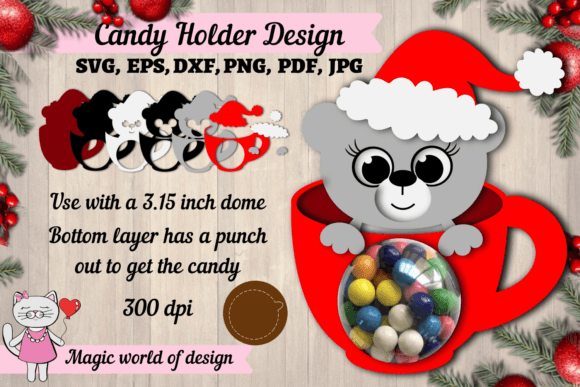
The moment you unzip the file containing the SVG, PNG, EPS, and DXF formats, the visual personality of the 3d Christmas Candy Dome Bear jumps off the screen. It isn’t trying to be overly complex or intricate. Instead, it relies on strong silhouettes and a playful theme that feels instantly recognizable. The concept—a bear nestled inside a candy dome—evokes nostalgia and warmth, which are crucial for successful holiday merchandise.
From a design perspective, the layout is clean. There is no cluttered background fighting for attention against the main subject. This clarity is vital for machine embroidery, where too many competing elements can lead to thread breaks or muddled stitching. The mood is festive but not chaotic. It suggests a product that is approachable, cute, and highly giftable. For an Etsy seller or small shop owner, this kind of immediate visual appeal is what drives clicks and conversions before the buyer even reads the description.
Real-World Application: The Custom Tote Scenario
To truly test this design, I imagined it in a practical scenario rather than just looking at a static image. Let’s say we are preparing a batch of custom embroidered tote bags for a local holiday craft fair. These bags need to be durable, stylish, and quick to produce. The 3d Christmas Candy Dome Bear fits this brief surprisingly well.
When placed centrally on a canvas tote, the design acts as a focal point without overwhelming the bag’s structure. The "candy dome" aspect allows for creative thread color choices—perhaps using white or light pink satin stitches to mimic the glossy look of hard candy, while the bear itself uses warmer, cozy tones like brown or cream. This contrast creates depth, making the finished product feel premium. Customers walking by a booth would likely stop because the design is distinct enough to stand out among generic snowflake patterns, yet familiar enough to feel comforting.
Performance Across Different Projects
This design proves versatile across several categories of handmade products. Here is how it performs in specific contexts:
- Sweatshirt Embroidery: On a heavy cotton fleece sweatshirt, the design adds a touch of whimsy that elevates a basic garment. The fill stitches hold their shape well against the textured fabric, creating a soft, plush appearance that appeals to buyers looking for comfort wear.
- Baby Embroidery: For onesies or burp cloths, the gentle curves and sweet theme are perfect. However, designers must be cautious about placement. A smaller hoop size might be necessary here to ensure the details remain legible on tiny garments.
- Applique Design Potential: While primarily a stitched design, the clean lines make it suitable for applique techniques. Combining fabric backing with satin stitch edges could add a professional, boutique-level finish to high-end nursery decor or gift sets.
- Embroidered Patches: The self-contained nature of the bear within the dome makes it ideal for iron-on patches. When backed with proper stabilizer and edged with a tight satin stitch, it becomes a durable accessory for denim jackets or backpacks.
- Holiday Embry and Kitchen Towels: On linen tea towels, the design brings a rustic charm. The simplicity of the graphic ensures it doesn’t get lost in the weave of the fabric, making it a great value-add for kitchen-themed gift baskets.
Where to Use Caution
No design is universal, and the 3d Christmas Candy Dome Bear has limitations that every embroiderer should respect. First, avoid using this on highly textured fabrics like chunky waffle knits or boucle wool. The needle penetration required for the fill stitches may struggle to create clean edges, resulting in a messy finish. Similarly, thin or stretchy fabrics like silk jersey require heavy-duty stabilizer to prevent puckering, especially around the dense areas of the candy dome.
Another critical consideration is the hoop size. If you attempt to digitize or resize this design significantly smaller, you risk losing the definition of the bear’s features. Tiny lettering or fine details often disappear when compressed into mini hoops. Furthermore, on dark fabrics, ensure your thread colors provide sufficient contrast. A pastel bear on black fabric might lack the pop needed to catch the eye, whereas a bright red candy dome would stand out beautifully.
Technical Notes for the Discerning Designer
Before committing this file to production, there are several practical steps every designer should take. First, always test the design on scrap fabric that matches your final project material. This reveals how the stitch density interacts with the specific fiber content. Check for any potential thread breaks in tight corners or small gaps between elements.
Review the thread colors carefully. The included PNG preview gives a good idea of the palette, but digital screens can be deceiving. Compare your actual thread spools against the mockup to ensure the shades align with your brand aesthetic. Additionally, inspect the file in black and white mode to check for balance. If the design looks too heavy on one side, it may cause the hoop to pull unevenly during stitching.
Confirm the licensing terms explicitly. Since this is a digital embroidery file, usage rights vary wildly. Ensure you have the commercial license if you plan to sell the finished handmade product. Many sellers overlook this detail until they receive a cease-and-desist notice. Also, verify that the included formats (SVG, EPS, DXF) meet your workflow needs. If you rely heavily on vector editing for customization, the SVG and EPS files will be invaluable assets for tweaking sizes or adding text.
Final Verdict on Value and Appeal
The 3d Christmas Candy Dome Bear succeeds because it understands its audience. It is not an avant-garde art piece; it is a functional, charming design meant to bring joy through the medium of embroidery. For the Etsy seller or craft business owner, it offers a low-risk, high-reward option for seasonal inventory. The inclusion of multiple file formats adds significant value, allowing for flexibility in both direct embroidery and other crafting applications like vinyl cutting or print-on-demand mockups.
Ultimately, this design enhances the perceived value of your projects. A well-executed embroidery project featuring this bear signals attention to detail and quality craftsmanship. It builds customer trust and encourages repeat purchases. Whether used for personalized gifts, boutique branding, or commercial embroidery collections, the 3d Christmas Candy Dome Bear is a reliable asset in any modern crafter’s toolkit. Just remember: preparation is key. Test your stabilizers, choose your threads wisely, and let the design’s natural charm shine through.